Rooms with personality rarely follow a single, gold standard design rule. They merge different eras, nuanced materials, contrasting patterns, and pieces with stories collected over time like family heirlooms, souvenirs from long road trips, and handmade gifts. A room with a story blends old, a little new, and a thing or two wonderfully out of place. And somewhere in the mix, a synchronicity emerges.
Wallpaper is a natural starting point for this kind of layered design. It can be a delicate botanical, a robust geometric, or a pattern inspired by centuries-old textiles. Wallpaper can establish a room's color palette, introduce texture, and create a visual thread that connects seemingly unrelated pieces. So, how do you mix wallpaper with furniture, fabrics, and decorative objects without overwhelming a space?
Our top tip isn't in matching everything. It's in knowing what to bring together, what to contrast, and when to let something stand on its own.
1. Mix Patterns, Not Just Colors
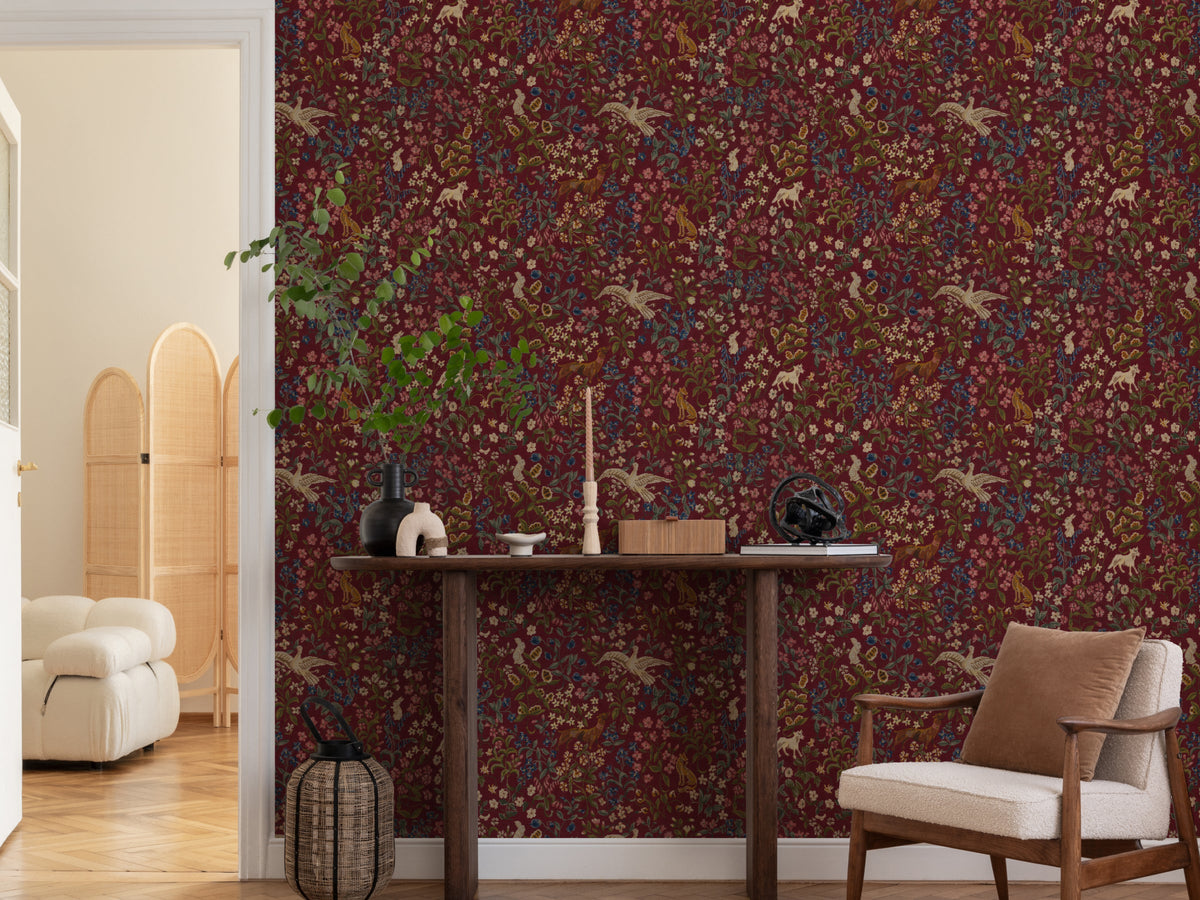
One of the most enduring principles of interior design is also one of the most liberating: patterns don't need to match to work together. Florals can live alongside stripes. Geometrics can complement organic motifs. Even two very different botanical prints can coexist when there's a shared element connecting them. The trick is to vary the scale. If your wallpaper has a large, expressive pattern, you can try adding in smaller prints through upholstery, throw pillows, or curtains. And a delicate, repeating wallpaper can provide a beautiful backdrop for a boldly patterned rug or statement chair. Look for a common color, shared undertone, or complementary rhythm to create cohesion.
Try this: Pair a large-scale floral wallpaper with a narrow striped wallpaper, and simple, woodblock-patterned throw pillows. The contrast creates movement while also giving the eye somewhere to rest.

2. Let Texture Do Some of the Talking
Sometimes, texture is what makes a space feel complete. Think of the contrast between smooth wallpaper and a nubby bouclé chair, a velvet sofa and a weathered wooden table, or crisp cotton curtains and an aged brass lamp. These differences introduce depth without necessarily adding visual complexity. Natural materials can be effective companions to patterned wallpaper. Linen, wool, rattan, leather, stone, and wood offer a tactile counterpoint to decorative walls. A richly patterned wallpaper can feel grounded beside a rustic oak cabinet, while a subtle botanical print can become unexpectedly sophisticated alongside marble, polished metal, or sculptural glass.
Try this: Combine botanical wallpaper with a mid-century modern chair, a textured rug, and stone or wood elements. Add a few glass or ceramic pieces for contrast.

3. Old Meets New: The Beauty of Different Eras
Some of the most compelling interiors resist belonging to any one decade. A wobbly, antique dresser beneath a contemporary mirror. A modern sofa beside a hand-carved wooden side table. A vintage-inspired wallpaper behind minimalist furniture. Mixing old and new introduces character. Historical wallpaper patterns are especially versatile because they create a bridge between past and present. An Art Nouveau botanical can feel fresh when paired with clean-lined furniture, while a traditional floral repeat can take on a playful quality alongside unexpected colors and modern artwork. The goal isn't to recreate a period room. It's to borrow the best of different eras and let them coexist.
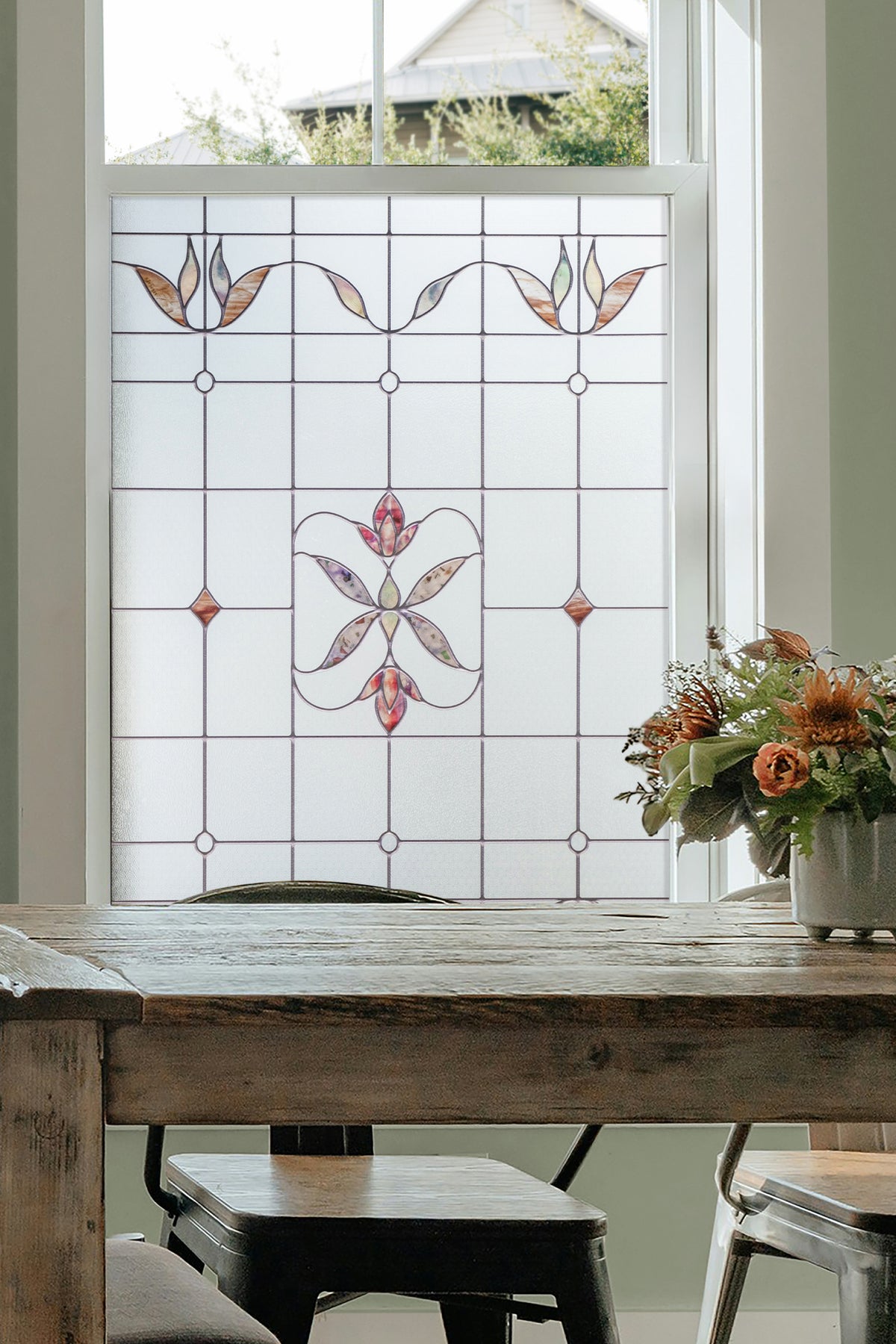
Try this: Pair a heritage-inspired wallpaper with an antique wooden table, cafe chairs, and a textured, woven bench. The contrast keeps the space feeling fresh rather than nostalgic.

4. Find a Common Thread in Color
Color is often what makes an eclectic room feel intentional. Rather than matching every furnishing to your wallpaper, choose two or three colors from the design and repeat them throughout the space. A muted green can appear in a velvet chair, a ceramic vase, or a patterned cushion. A warm ochre might show up in a wooden frame or woven rug. These small repetitions establish a visual relationship between otherwise unrelated objects. And don't be afraid to introduce an unexpected color. A burgundy accent in a room dominated by sage and cream, for example, can create a wonderful sense of depth.
Try this: Choose one dominant color from your wallpaper, one secondary color, and one contrasting accent. Use them in different proportions throughout the room rather than distributing them evenly.

5. Balance Ornamental with Simple
When wallpaper is richly detailed, keeping things simple elsewhere can make its beauty really stand out. A landscape mural wallpaper can pair beautifully with the clean silhouette of a modern dining table. An intricate geometric print can become the perfect backdrop for a simple upholstered headboard. This interplay between ornament and restraint is what gives a room balance. Of course, simplicity isn't the only option. For those drawn to more expressive interiors, layering decorative furniture, patterned textiles, and ornate accessories can create a wonderfully immersive environment. The important thing is to establish a sense of visual hierarchy. Give the room a focal point, then allow other elements to support, contrast, or complement it.
Try this: If your wallpaper has intricate details, introduce furniture with strong, simple silhouettes. Let smaller accessories bring back some of the ornament.

6. Experiment with Pattern Drenching
For those who love a little (or a lot) more visual adventure, pattern drenching offers another way to approach wallpaper. Rather than limiting a print to one surface, this approach carries pattern throughout a room, sometimes across walls, upholstery, curtains, and even ceilings. The result can feel intimate, theatrical, and surprisingly cohesive. But pattern drenching doesn't have to mean covering everything in the same design. You can create a similarly enveloping effect by combining related patterns in a shared color palette. A small-scale floral wallpaper, striped curtains, and a botanical upholstered chair might sound like a lot on paper. In practice, differences in scale and texture can make the combination feel beautifully considered.
Try this: Begin with a wallpaper you love, then introduce one complementary patterned textile. Live with the combination before adding a third.

7. Make Room for the Unexpected
Not everything in a room needs to coordinate perfectly. Sometimes, it's the unexpected object that makes an interior memorable: a sculptural lamp in a traditional bedroom, a playful piece of art above an antique cabinet, or an inherited chair upholstered in a thoroughly modern fabric. These contrasts bring personality into a space and make it feel less like a showroom and more like a home. Consider mixing materials, periods, shapes, and finishes. Pair something ornate with something understated, something polished with something weathered, something familiar with something a little strange. A room can be cohesive without being predictable.

A Home Is Never Really Finished
The most appealing thing about layered interiors is that they leave room for change. A child's drawing, a flea-market find, a favorite textile made by a beloved aunt. Each addition becomes part of a larger story. Wallpaper can provide the foundation for that story, establishing color, movement, and atmosphere while leaving plenty of space for expression. At Artscape, we believe that beautiful spaces are built through imagination, experimentation, and the thoughtful combination of things we love. Our wallpaper collections draw inspiration from historical designs, artistic traditions, and contemporary creativity, offering a starting point for rooms that feel as individual as the people who inhabit them. Because the best interiors are the ones where everything has something to say.
Explore Artscape's wallpaper collection.
Frequently Asked Questions
Can you mix floral wallpaper with patterned curtains?
Absolutely. Mixing floral wallpaper with patterned curtains can create a dimensional, layered interior. The key is to vary the pattern scale and find a common color that ties them together. For example, a large botanical wallpaper pairs wonderfully with narrow striped, subtle plaid, small-scale checks, or subtle geometric prints. The contrast adds interest without overwhelming the room.

What furniture looks best with patterned wallpaper?
Patterned wallpaper works with everything from antique wooden furniture to contemporary upholstered pieces. Consider balancing intricate wallpaper designs with simpler furniture silhouettes, or pairing traditional botanical prints with modern shapes for an unexpected contrast. Natural wood, linen, leather, velvet, and woven materials all complement decorative wallpaper beautifully.

How do you mix antique and modern furniture?
Start by looking for complementary shapes, colors, or materials rather than matching periods. An antique dresser can sit comfortably alongside a contemporary chair, while vintage-inspired wallpaper can connect furniture from different eras. Mixing old and new adds character, depth, and a sense of history to a room without making it feel overly traditional.

Should your rug match your wallpaper?
Not necessarily. A rug and wallpaper don't need to match, but they should feel connected. Try repeating one or two colors from your wallpaper in the rug, or choose contrasting patterns with different scales. If your wallpaper is particularly bold, a textured neutral rug can provide balance. Alternatively, layering patterned rugs with wallpaper can create a wonderfully eclectic, collected look.

How many patterns can you mix in one room?
There's no fixed rule, but starting with two or three patterns is a helpful approach. Choose a dominant pattern, such as your wallpaper, then introduce secondary prints through upholstery, pillows, curtains, or rugs. Varying the scale, color, and density of each pattern helps create visual harmony. For more maximalist interiors, additional patterns can work beautifully when there's a consistent color palette or design element tying everything together.

Can you mix different wood tones with wallpaper?
Yes! Mixing wood tones adds warmth and dimension, especially when paired with botanical, floral, or heritage-inspired wallpaper. Rather than matching every wooden piece, look for complementary undertones and vary the finishes. A dark antique walnut table, lighter oak flooring, and a painted wooden cabinet can all coexist beautifully when balanced by a thoughtful wallpaper palette.